
Dietary Supplements
We extract therapeutic dosage thresholds, bioavailability kinetics, and heavy metal safety screens directly from published RCTs — no kickbacks, no influencer deals, no marketing fluff.
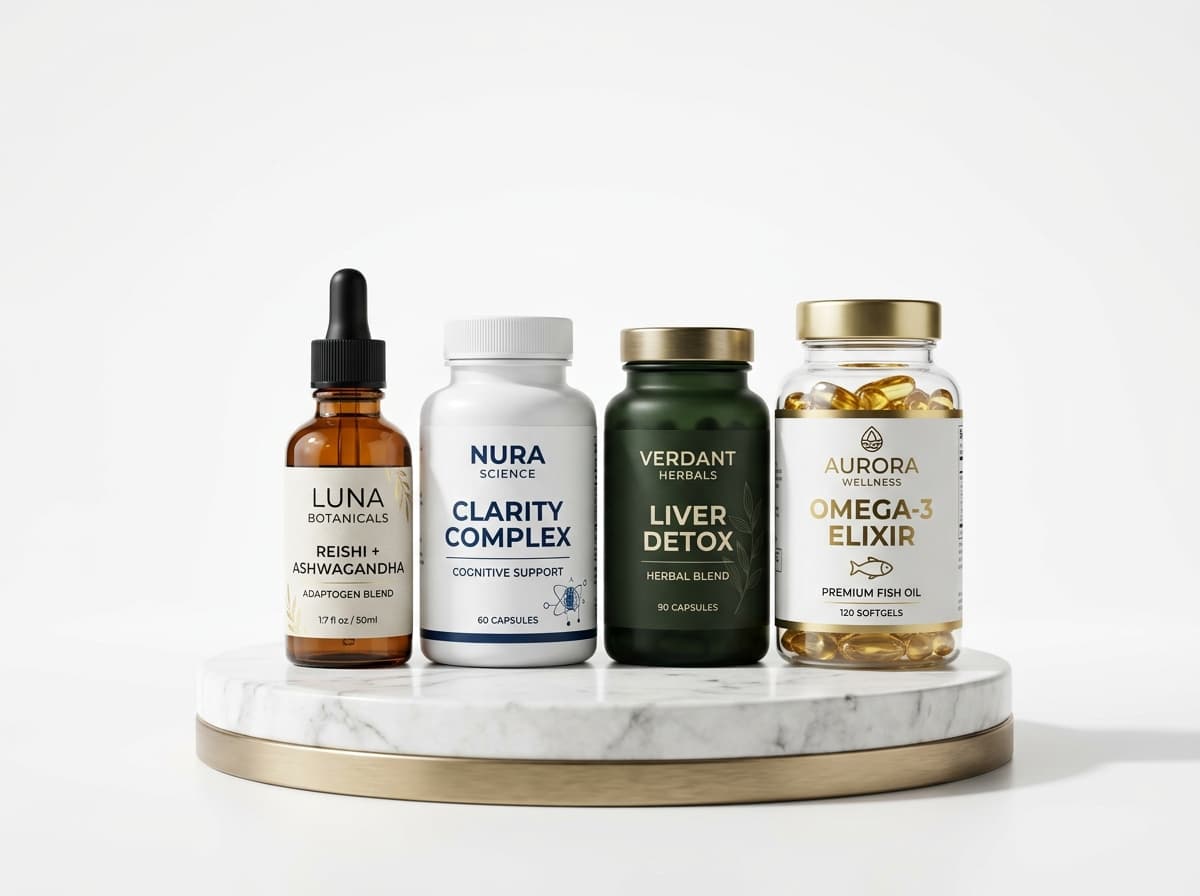
Double-blind, peer-reviewed human clinical evidence indexed for immediate review.

Who This Resource Is For
This site is designed for readers who value clarity over hype and want careful explanations grounded in research.
Who This Is For
- People researching supplements before considering a purchase
- Readers skeptical of marketing claims and “miracle” language
- Individuals managing health conditions who want evidence, not promises
- Caregivers, journalists, and educators seeking reliable research summaries
- Anyone who wants to understand ingredients, safety, and limitations
If you prefer careful explanations grounded in research, you’re in the right place.
Who This Is Not For
- Those seeking quick fixes, guaranteed outcomes, or cures
- People looking for personalized medical advice or diagnoses
- Anyone expecting product endorsements or promotional reviews
This site is not intended for quick fixes, guarantees, or promotional recommendations.
Dosage & Bioactive Efficacy Evaluator
Match your supplement label's formulation and milligram dose against verified clinical trial protocols.
Full-spectrum water-based root extract standardized to 5% withanolides by HPLC.
Aligns with clinical dosing ranges evaluated in peer-reviewed trials for healthy cortisol and stress response, with a favorable tolerability profile when taken as directed.
Step 3: Pharmacokinetic Administration Checklist
Withanolides are fat-soluble botanical compounds. Bioavailability and absorption improve when ingested alongside healthy dietary lipids (e.g., eggs, avocado, or yogurt).
Take with dinner or 60 minutes before bed to synchronize with your natural nocturnal cortisol nadir and prevent daytime grogginess.
Beware of unstandardized formulas spiked with aerial leaves (high Withaferin A cytotoxic content). Always verify 100% root-only extraction certificates.
Chemical Form & Bioavailability Comparison Matrix
Why the compound bound to your mineral matters more than the label milligram number. Comparing 6 commercial forms across fractional absorption, osmotic laxative thresholds, and target clinical indications.
Magnesium Bisglycinate
Chelated structure bypasses competitive mineral ion channels via dipeptide transporters (PepT1), dramatically reducing osmotic diarrhea risk while elevating serum and intracellular magnesium levels.
- Zero osmotic laxative side effects at standard 200-400mg doses.
- Co-transported glycine confers independent inhibitory neurotransmitter (GABA-like) benefits for sleep.
- Lower elemental yield (~14%) requires 2 to 3 bulky capsules to hit target RDA.
Magnesium L-Threonate
Magnesium Citrate
Magnesium Malate
Magnesium Taurate
Magnesium Oxide
Our Mission & Editorial Approach
Our mission is to build a trustworthy library of health and supplement content that explains context clearly, analyzes ingredients neutrally, and helps readers understand both potential benefits and real limitations.
Our mission includes:
- Explains why people take supplements and where they fit alongside healthy lifestyle practices
- Analyzes ingredients using neutral, research-backed language
- Highlights both potential benefits and known limitations
- Upholds strict safety standards and transparently discloses risks and side effects
Neutral, Research-Backed Language
Every piece is created by our Research Editorial Team and reviewed through a defined editorial and fact-checking process. We rely on peer-reviewed journals, authoritative health organizations, and public research databases including the NIH and WHO.
Strict Safety Standards
When research is mixed, limited, or inconclusive, we say so directly. We do not overstate effectiveness or certainty, and we disclose side effects, risks, and important limitations.
The Foundation: Lifestyle Comes First
Consistent evidence shows that balanced nutrition, regular physical activity, adequate sleep, and professional healthcare have the greatest impact on long-term health. Supplements do not replace these fundamentals.
How We Evaluate Supplements
What the Product Is
Manufacturer information, product form, intended audience, and category, without hype or claims.
Why It Exists
Context around the general problem the product aims to address and why people seek supplements in that category.
Ingredient Analysis
Examination of each ingredient, its typical use, what research suggests, and known limitations, with links to our Ingredients and Safety Measures guides.
What Research Says
Summaries of clinical trials, systematic reviews, and meta-analyses where available, including mixed or inconclusive findings.
Safety & Limitations
Potential side effects, interactions, dosage concerns, and who should be cautious or avoid use.
Suitability
Conditional guidance on who might research a product further, never recommendations.
Final Assessment
A neutral synthesis of what is known, what remains uncertain, and why professional guidance matters.
New Here? Start With These Guides
These pages provide essential context before reading any product analysis so you can navigate the site without overwhelm.
How to Choose Supplements
A practical, evidence-based decision framework before you evaluate any product.
Safety Measures
General principles for supplement safety, risk awareness, and red flags.
Ingredients Guide
How common supplement ingredients are evaluated and where limitations matter.
Health Category Overviews
Topic-specific foundations to help you read product analysis with context.
Health Categories We Cover
Our research is organized into clear health topics including Joint Pain, Weight Loss, Men’s Health, Women’s Health, Gut Health, Mental Health, Sleep Cycle, and Skin Care.
Latest Research & Guides
Browse recent articles, ingredient explainers, and health topic research summaries grounded in evidence rather than promotion.
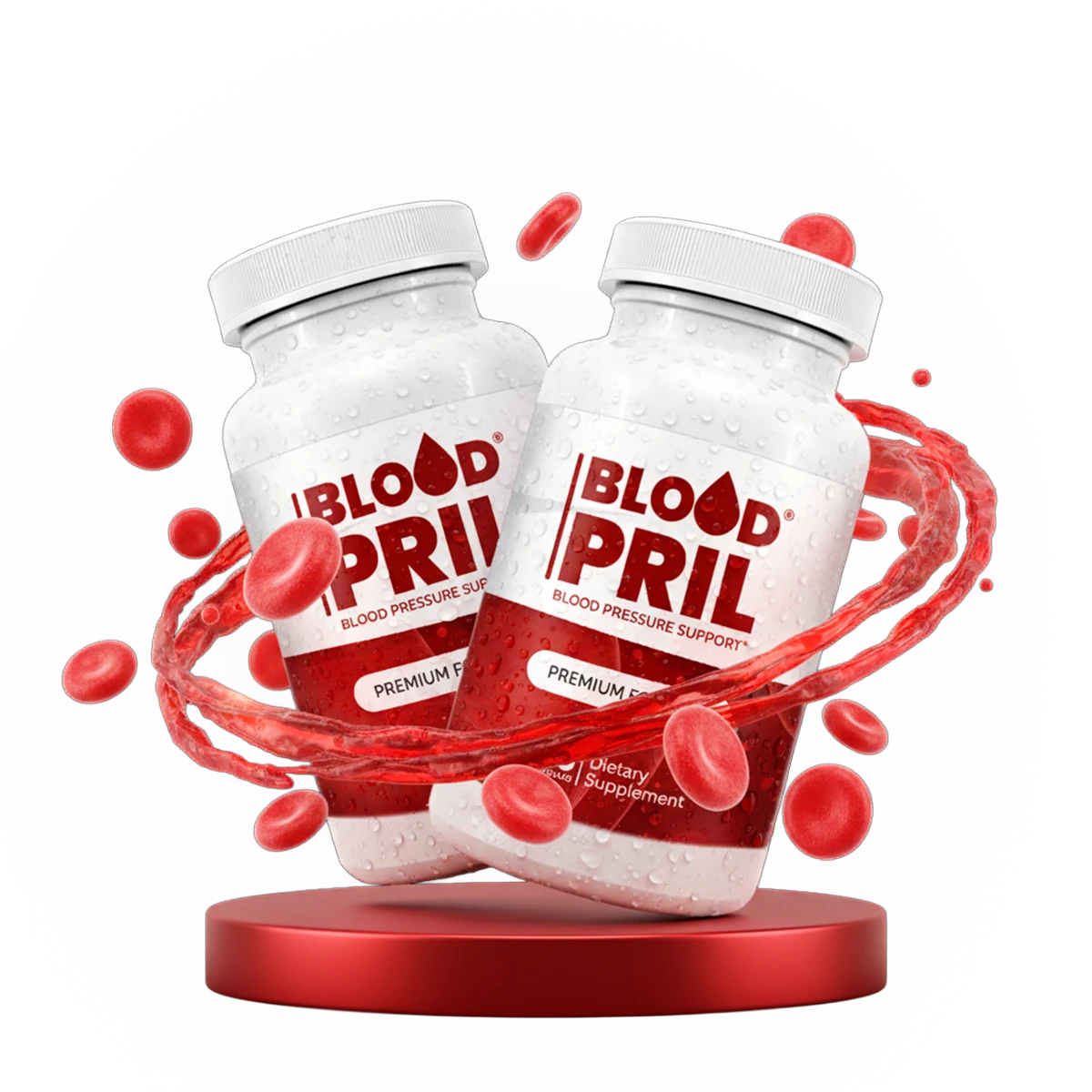
BloodPril Review: A 500 mg Blend Against 4-Gram Science
BloodPril Review: A 500 mg Blend Against 4-Gram Science
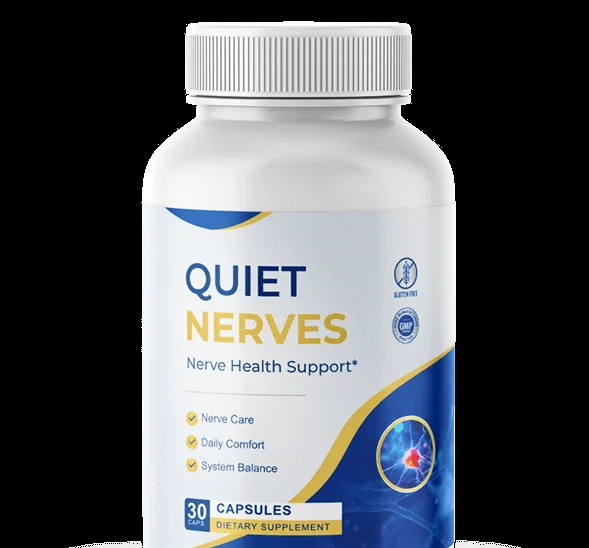
Quiet Nerves Review: No Doses, No Label, and a Guarantee With Fine Print
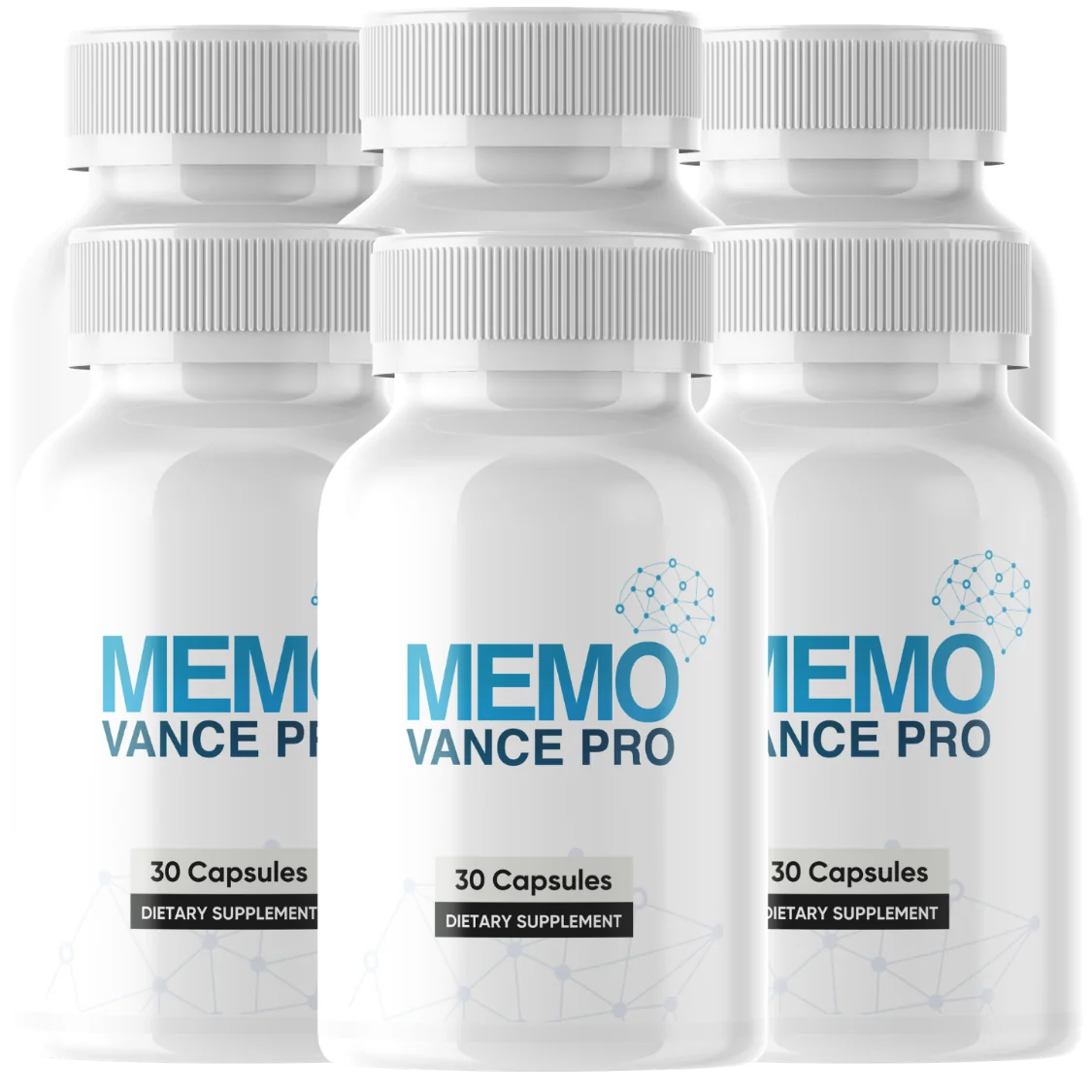
MemoVance Review: A Memory Pitch on an Amino-Acid Capsule
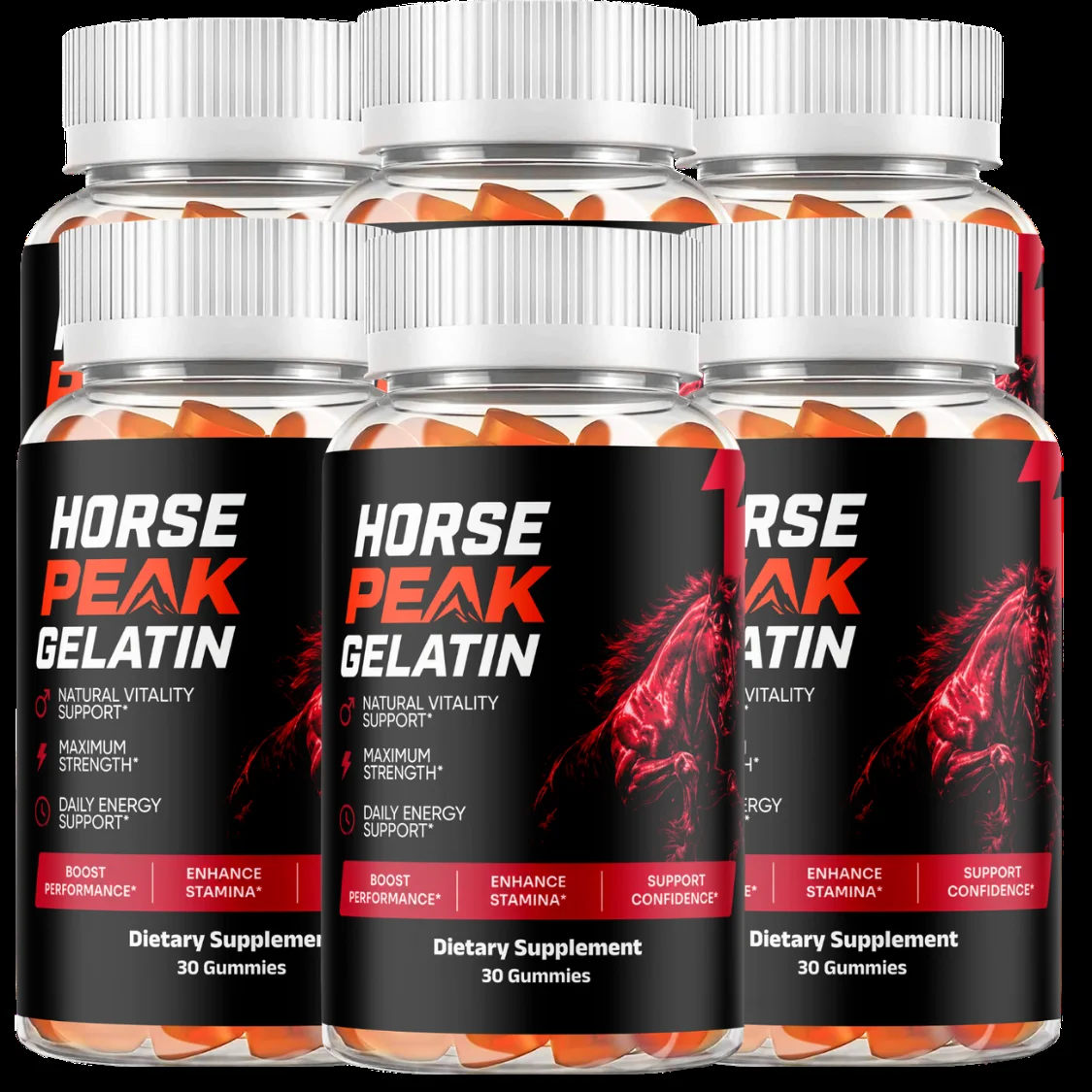
Horse Peak Gelatin Review: An ED Gummy With Underdosed Ingredients
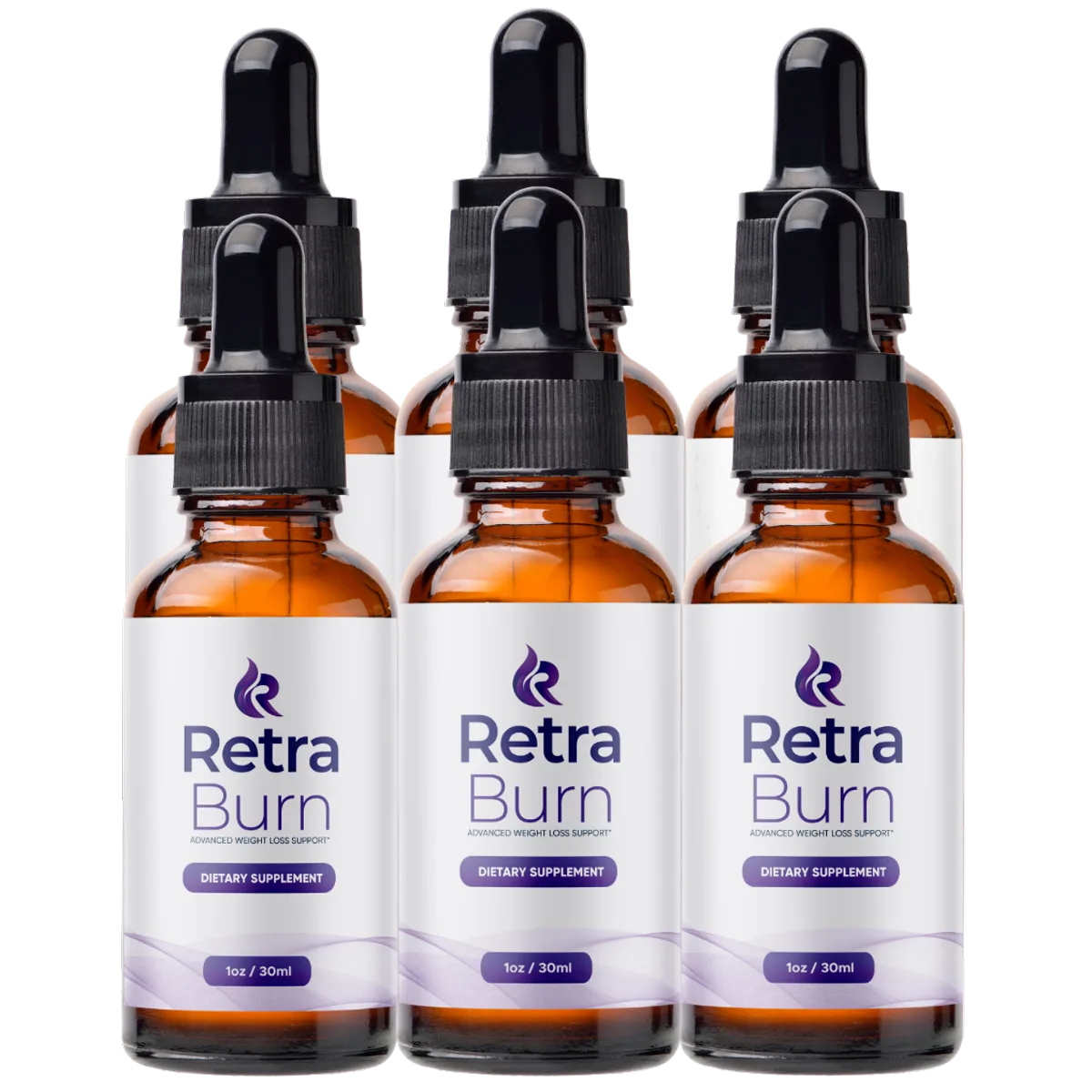
Retra Burn Review: The Same 15.47 mg Formula Behind Cognizil and Hawaiian Harmony, Now Pitched for Weight Loss
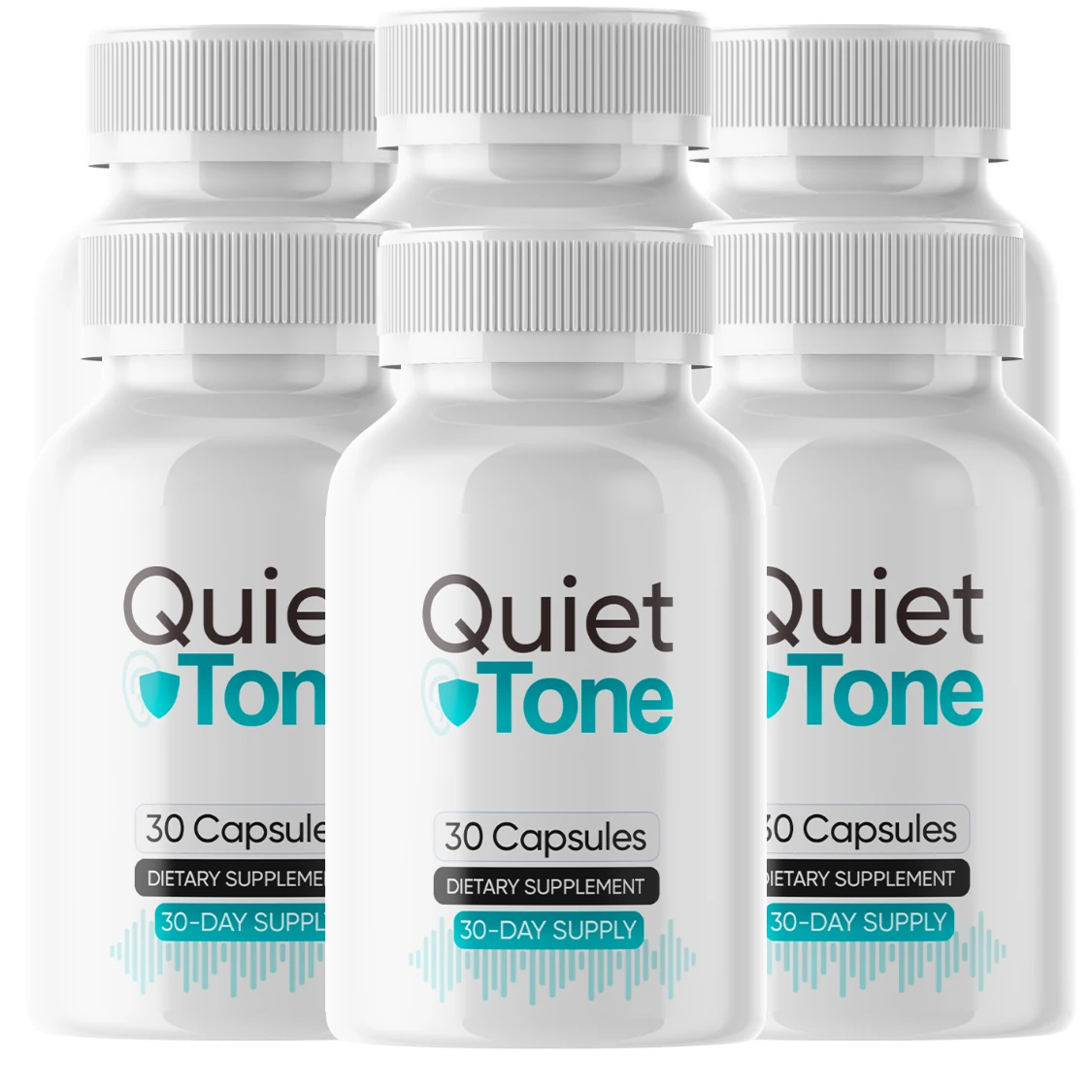
Quiet Tone Review: A Calm-and-Sleep Blend Sold for Tinnitus Relief
Strong Trust Signals You Should Know
We are committed to complete editorial independence. We accept zero affiliate partnerships, publish no sponsored content, and receive no compensation from supplement manufacturers or retailers. Our evaluations are free from any commercial influence.
- Content is produced by our Research Editorial Team.
- Review input may include professionals with backgrounds in nutrition science, pharmacology, public health, and clinical research.
- Articles are reviewed and updated periodically, typically every 6-12 months, as new evidence emerges.
- Sources are cited transparently, prioritizing peer-reviewed research and authoritative health organizations.
- When evidence is limited or conflicting, we clearly state those limitations.
Where to Go Next
Our goal is to empower you with knowledge, not persuade you to buy. Continue exploring the site through ingredients, category overviews, and our editorial standards.
Browse Ingredients
See how individual ingredients are evaluated before you read any product-specific analysis.
Explore a Health Category
Start with a health topic overview to build context before comparing products or claims.
Learn How We Evaluate Supplements
Review the editorial framework, fact-checking standards, and independence principles behind our content.
Thank you for visiting. We invite you to explore, learn, and approach health decisions with clarity and evidence.